

Regarding the rise in urbanization across the world, demands for fast construction materials continue to move upward. Governments and developers press towards energy-efficient construction methods and, therefore, increase demand for bricks with higher insulation and lower carbon emission. In the bricks market, the infrastructure segment refers to the application of bricks in large-scale construction projects, including roads, bridges, and public utilities. A prevailing trend in this segment involves the increasing preference for durable and cost-effective materials, positioning bricks as a fundamental choice for infrastructure development. The robust nature of bricks makes them well-suited for heavy-duty applications, contributing to the resilience and longevity of infrastructure projects globally.
Naturally, if weaknesses are found, it is the strengths and innovations within the market that drive growth in the brick market. The success of the brick sector in adapting to new technologies and market requirements will be the determinant factor for its course toward development in the long run. Bricks are thus placed as a requisite in the global construction arena with the continual rise in urbanization amid growing concern for sustainability. Residential buildings retained a 55% revenue position in 2024, yet the non-residential segment leads growth at 3.34% CAGR as governments fund transport corridors and e-commerce firms extend distribution hubs. The brick market supports massive warehouse floors that demand durable, thermally stable walls to moderate interior climates in tropical South America.
Who Are The Key Companies In The Brick Market?
Additionally, progressive designs like interlocking blocks simplify production strategies, reducing hard work charges and time. Enhanced durability and resistance to environmental elements also make contributions to longer product lifespans, increasing their fee proposition. By integrating current technologies and addressing evolving market needs, those improvements force expanded adoption and stimulate a boom inside the market. In the bricks market, the modular segment refers to bricks that adhere to standardized dimensions, facilitating easy and precise construction. This segment is characterized by uniformity in size, allowing for efficient assembly and reducing construction time.
What Is The Demand For Sustainable Bricks In The Market?
Heidelberg Materials reports AI-guided batching systems that trim cement use by 20%, a benefit passed along to brick lines dedicated to modular packages. The global bricks market size accounted at USD 1.74 trillion in 2024 and is expected to be worth around USD 2.36 trillion by 2034, at a CAGR of 3.09% from 2025 to 2034. Different regions around the world have their own brick manufacturing traditions, leading to unique brick types and production methods.
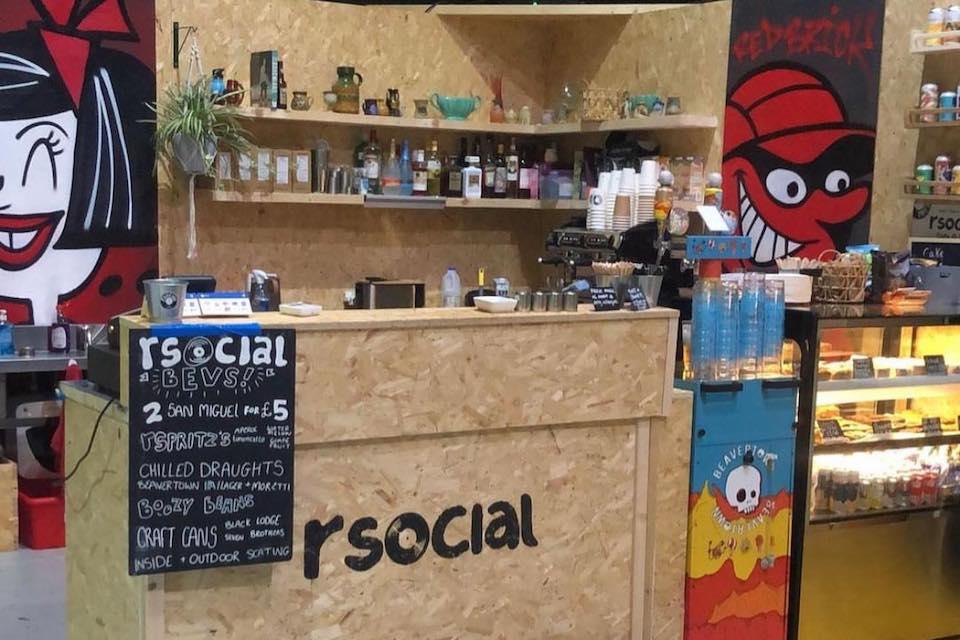
Brick Lane Food Market
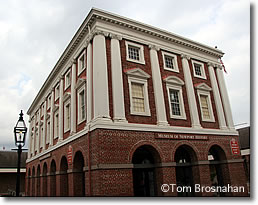
The Brick Market was the last of his confirmed works, and is shows the influence that English architecture had on his designs. The building’s design was based on the Old Somerset House in London, with Harrison copying elements such as the arcade on the lower floor, the pilasters on the upper floors, and even the alternating arched and triangular window pediments. Also, bricks are preferred because they are solid, tough and durable to serve their users for several years without needing replacement. They are suitable for relocation in harshest of weathers including during fires, and tend to provide good insulation.

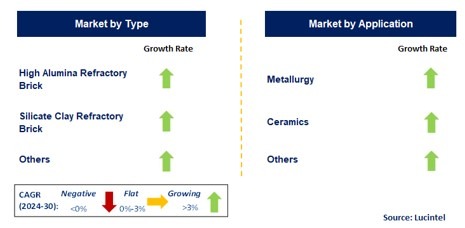
Brick Market By Type Shipment Analysis By Value From 2018 To 2030:
Manufacturers that verify cradle-to-site life-cycle data lock in specification advantage for renovation and public procurement tenders. The bricks market faces a significant restraint in the form of a lack of innovation in manufacturing techniques and designs. Traditional brick production methods have seen limited advancements, potentially hindering the market’s ability to meet evolving demands in the construction industry.
One Stop Shopping At Brick Market Place
The absence of innovative approaches in material composition, energy efficiency, and sustainable practices may make bricks less attractive to architects, builders, and developers seeking modern, eco-friendly solutions. On the basis of size-based segmentation, the market is categorized into modular, standard, and jumbo. The standard size bricks market is evolving to meet the demands of a changing construction landscape. Sustainability, architectural creativity, energy efficiency, digital tools, and regional variations are among the key drivers propelling the market’s growth and adaptation to contemporary construction needs.
- The Asia Pacific region is experiencing substantial population growth, urbanization, and infrastructure development.
- Also, bricks are preferred because they are solid, tough and durable to serve their users for several years without needing replacement.
- Automated production lines and ecological ways of production reshaped the character of this industry.
- In terms of application, the global market is categorized into residential buildings, commercial buildings, infrastructure, paths, parterre, and landscaping.
- Moreover, bricks absorb water easily, therefore they causes fluorescence when not exposed to air, which encourages consumers to lessen their adoption.
Recent Development In The Brick Market
Equipment upgrades that raise kiln capacity without higher fuel burn ensure contractors receive on-time deliveries during cyclical building surges. The global bricks market is projected to grow from USD 1.79 trillion in 2025 to over USD 2.36 trillion by 2034, registering a CAGR of 3.09%. Key growth drivers include increased construction activity, sustainable building practices, and rising demand in residential, infrastructure, and modular applications across North America and Asia-Pacific.
Brick Lane’s markets are a true haven for antique treasure hunting, vintage shopping, and street food exploration. The brick industry is positioned for continued evolution as innovation, environmental imperatives, and trade dynamics converge. Senior decision-makers can leverage these insights to refine strategy and strengthen competitive advantage in a dynamically shifting market. The Asia Pacific region is expected to see significant growth in the Bricks market in the coming years due to the growth of the construction industry in the region. Increasing government expenditure for reconstruction & repair of infrastructureis expected to drive the market. Bricks are used for the reconstruction & repair of infrastructure as they are weather and age-proof and are able to withstand even the harshest conditions, from cyclones and severe marine environments to wildfire-prone areas.
COVID-19 IMPACT: MARKET GROWTH RESTRAINED BY PANDEMIC DUE TO SUPPLY CHAIN DISRUPTIONS
These versatile units serve as the fundamental building blocks for structures ranging from simple walls to elaborate architectural designs. The production process involves molding the raw materials, followed by drying and firing in kilns to achieve durability and strength. Bricks come in various types, including common bricks for general use, firebricks for high-temperature applications, and specialized bricks with specific characteristics. Their modular size and uniformity facilitate easy assembly, making them a preferred choice for constructing load-bearing walls, facades, and pavements. Growth patterns in the South American and Middle East & African regions differ, driven by underlying factors currently caught between economic development, urban expansion, and government investment in infrastructure.
The parterre application puts forth the decorative aspect of bricks, hence influencing architectural and landscaping trends. They impinge on the structuring and durability of a building structure, equipped to sustain all weather conditions, therefore assuring its long life. The building industry is the largest consumer of bricks worldwide due to the extensive share of brick masonry work used in walls, front elevations, and partitions. This application is vital in both the urban and rural areas where bricks are most preferred due to their strength and thermal insulation. The largest category in this regard is jumbo bricks, designed to achieve larger coverage per unit. Such bricks, usually 3⅝ inches high by 3⅝ inches deep by 11⅝ inches long, would find their place in projects where the number of joints is to be reduced and, at the same time, a finer and more troweled finish is desired on elevations.
In housing, rising mortgage rates in 2024 curtailed starts, but planned cuts from 2025 reinvigorate single-family construction, particularly in North America. Regulatory pushes for net-zero dwellings incentivize wall systems that retain heat and lower operational energy. Brick veneers matched with external-insulation finishing systems satisfy these performance metrics while preserving traditional curb appeal.
And, of course, for its bargains and vintage clothing stalls that are dotted throughout this lovely lane. From Korean skewers to Ethiopian coffee and Injera bread, and classic British grub, you’ll find mouth-watering foods. If you’re a collector, and you’re planning to visit the auction houses and galleries here in the capital, be sure to add Brick Lane to your London streets tour itinerary. You’ll find a collection of independent vintage specialists selling jewellery, quirky bookstores, record shops, clothing outlets, and more. It offers a diverse mix of retail outlets such as cafes, boutiques, and different arts and crafts, from jewellery designs to wall art.
About The Brick Market

The global brick market will further evolve as construction technologies and sustainable building practices are invented. Increasing sensitivity towards the environment is going to stay in the trend and hence spur innovation within brick manufacturing processes in order to trim carbon footprint and improve energy efficiency. Also, regional regulatory policies and building codes will significantly contribute towards changing the market scenario and encouraging the adoption of green building materials such as bricks. The evolving consumer preferences and regulatory frameworks are also indicative of future landscapes that may take place within the global brick market. With sustainable construction practices coming under the limelight for policy-making at global levels, the market will see an increasing share of bricks harnessed with recycled materials or using energy-saving technologies. Asia-Pacific is poised for rapid growth in the bricks market due to burgeoning urbanization, extensive infrastructure projects, and increased construction activities.